Best Air Conditioners for South Florida’s Climate
- Home
- AC Installation

For South Florida’s hot, humid conditions, the best air conditioners are high-efficiency central or heat pump systems (16 SEER or higher) with variable-speed compressors, excellent dehumidification features, and corrosion-resistant components. These systems deliver consistent comfort and energy savings in Boca Raton, FL, and throughout South Florida.
Anyone who’s spent a summer in Boca Raton knows how brutal our heat and humidity can get. It’s not just hot—it’s sticky, heavy air that never seems to dry out. Most folks I talk to say the same thing: “My AC’s running all day, but the house still feels damp.”
That’s a common complaint. And honestly, it usually comes down to the system itself. Not every air conditioner is built for Florida’s conditions. I’ve been installing and repairing these things for years, and trust me—some units just don’t hold up down here.
So, let’s talk about what actually works. I’ll walk you through the best AC options for South Florida, what features to prioritize, and a few insider tips to help you get the most life out of your system.
It’s not the heat alone that gets you—it’s the humidity. When your indoor air is sticky, you can set your thermostat to 72 and still feel uncomfortable. A standard AC might cool the air, but it won’t always pull out enough moisture. That’s where good dehumidification comes in.
Up north, people flip their systems off for half the year. Not us. Here in Boca, your AC is clocking in almost every day. Efficiency and build quality matter more because that extra runtime really adds up over the years.
If you live close to the coast, you already know the salt air can eat through metal like it’s nothing. Outdoor units that aren’t protected will rust out fast. That’s why I always recommend corrosion-resistant components for homes near the beach.
So yeah, the best AC for Florida isn’t just the coldest one—it’s the one that stays efficient, dry, and rust-free through years of salt, storms, and sunshine.
Type | Why It’s Good | What to Keep in Mind |
Central Air / Split System | Great for whole-home cooling and works well with humidity control. | Needs proper duct design and installation. |
Heat Pump (Cooling + Heating) | Perfect for Florida—cooling all summer and light heating in winter. | Slightly higher upfront cost, but cheaper long-term. |
Ductless Mini-Split (Zoned) | Awesome for garages, add-ons, or rooms that never cool down properly. | Each room needs a unit; it can get pricey. |
VRF / Multi-Zone Systems | Super efficient and amazing humidity control. | More complex install—definitely needs a pro. |
For most South Florida homes, a central split system or high-efficiency heat pump with a variable-speed compressor is the sweet spot. They handle humidity better and keep power bills from going crazy.
Down here, aim for 16 SEER or higher. Anything less, and you’re just feeding the electric company. Efficiency pays for itself when your system runs almost year-round.
These are game-changers. Instead of blasting full power all the time, they slow down when possible. That means steadier temps, better humidity control, and less wear on the system.
Some newer systems are built specifically to pull more moisture from the air. When installed right, you’ll feel the air get crisp and dry instead of that “sticky cool” feeling.
If your condenser’s sitting near salt air, go for units with protective coatings, aluminum coils, and rust-proof cabinets. I’ve seen cheaper units start corroding in just two years.
Smart controls are worth it. You can set different temps for different areas and let the system fine-tune humidity on its own. It also learns your patterns—super handy for cutting energy use.
Always check warranty coverage and whether your local techs can handle service quickly. That’s one of the perks of working with a local company like ours—we’re right here when you need us.
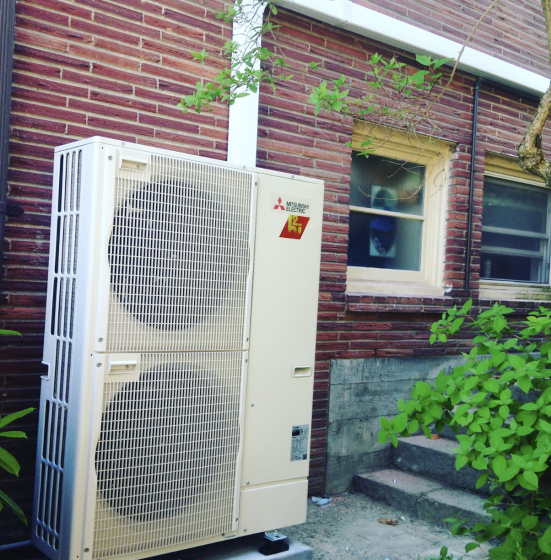
Now, I’m not here to push a specific brand, but after years in the field, I’ve seen what lasts and what doesn’t.
Here’s my honest take:
Don’t just go by name, though. The installation matters more than the brand. A top-tier system can underperform if it’s not sized or set up right.
This is where people get tripped up. Too small, and your AC runs nonstop. Too big, and it short-cycles, never removing enough humidity.
Your installer should do a Manual J load calculation — that’s the fancy way of saying “we measure your home’s needs instead of guessing.”
Try to keep outdoor units shaded but clear of obstructions. Don’t wedge them behind hedges or fences. Airflow’s everything.
And keep ducts tight and insulated — I’ve found leaky ductwork to be one of the biggest energy wasters in South Florida homes.
Pair your AC with smart thermostats, humidity sensors, and air purification if possible. Clean air and balanced moisture go hand-in-hand down here.
You can see how we design and install systems like this on our AC installation in Boca Raton, FL page.
A few things I always tell customers:
It’s simple stuff, but it makes a huge difference in performance and longevity.
Choosing the right air conditioner for our climate isn’t just about comfort — it’s about making sure your system survives the Florida heat and salt for years. At Prime Air, we’ve helped hundreds of Boca Raton homeowners stay cool and dry all year long. Whether you’re replacing an old unit or planning a full upgrade, we’ll walk you through the options and get your new system installed right the first time.
Call 561-855-0659 or visit our AC installation in Boca Raton, FL page to schedule your consultation. Let’s make your home the one that actually feels cool, no matter how hot it gets outside.
Go for at least 16 SEER. If your budget allows, step up to 18 or more—you’ll see long-term savings.
Most of the time, yes. You’ll get better humidity control, quieter operation, and a longer warranty.
I lean towards heat pumps for Florida homes. It’s efficient, and you get some mild heating during cool nights.
Usually yes, as long as they’re in good shape. But if your ducts are leaking or undersized, we’ll recommend fixing them first.

Prime Air is led by founder and owner Raphael Perez, who personally oversees service standards, technician training, and project quality. With a dedication to precision, reliability, and customer-first care, Raphael ensures every installation and repair meets rigorous performance and safety expectations.