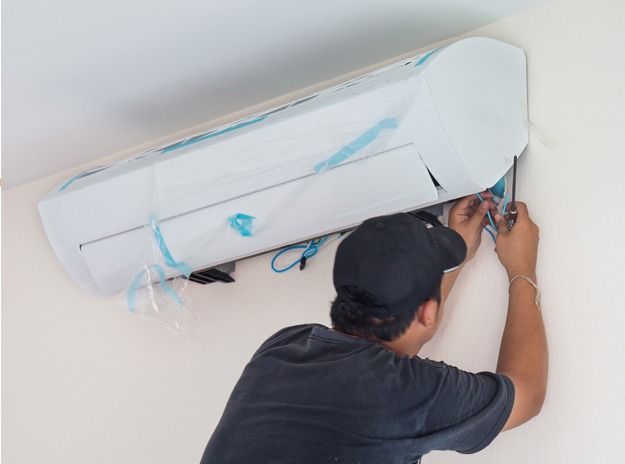
For most Florida homes, if your AC is under ten years old and the repair costs less than half of a new system, it usually makes sense to repair it. When the unit becomes older, breaks down more frequently, or is clearly inefficient, replacing it tends to save money and frustration over time, while also significantly improving the comfort of your home.
Living in Florida Means Relying on Cooling Year-Round
In Boca Raton, FL, air conditioning isn’t a nice-to-have. It’s how you get through breakfast without breaking a sweat. This is why experiencing lukewarm air, hearing odd rattles, or having a system that can’t keep up leads anyone to ask the same question: should they repair it or replace it?
At Prime Air, we help Florida homeowners make that call every day. What follows is the same thought process we use in your living room—no pressure, just clear steps so you can choose what’s best for your home and budget.
Understanding the Core Difference: Repair vs. Replacement
AC repair means fixing specific parts—maybe a tired capacitor, a fan motor that’s on its last leg, or sealing up a refrigerant leak—so the system cools as it should again.
AC replacement is a full swap: removing the old equipment and installing a new, high-efficiency system that meets today’s standards for performance and energy use.
Both paths are valid. Florida’s heat and humidity just make the decision points show up sooner than they might elsewhere.

1. Age of Your System and Expected Lifespan
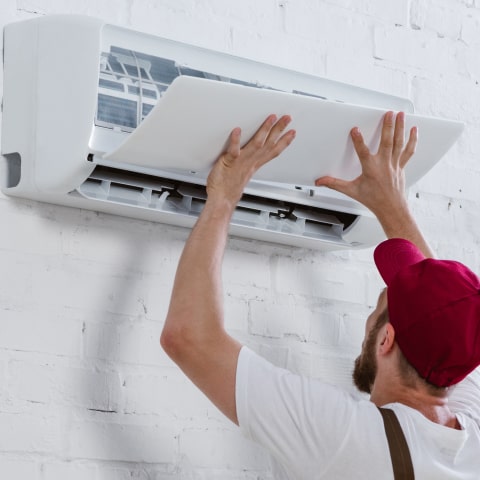
Down here, most systems live about 10 to 15 years. Coastal salt air and year-round runtime can shave time off that. If your AC is still under ten years old and has been maintained, repair often gives you the most value. Cross the twelve-year mark—especially if the system still uses R-22—and it’s wise to start planning the replacement.
2. Repair Costs vs. Replacement Costs
Here’s the homeowner rule of thumb we lean on: when a repair hits 50% or more of the price of a new system, replacement is the smarter play. A $2,500 fix on a $5,000 replacement estimate is right at that line. On the other hand, quick, isolated issues—a bad thermostat, a failed capacitor—are typically a few hundred dollars and worth fixing.
3. Efficiency & SEER Rating Upgrades
Florida’s ACs don’t clock out, so efficiency matters. Older systems often land around SEER 10–13. Units from the past five to ten years might be SEER 14–16. Today’s high-efficiency models push into the high teens and beyond. Moving up that ladder can cut electricity use dramatically—think up to 40% in some older-to-newer swaps—so you feel the difference on your power bill and in how evenly the house cools. Prime Air installs equipment selected for Florida humidity, which means better moisture control, steadier temps, and fewer sticky evenings.
4. Frequency of Breakdowns
One repair in a blue moon is normal. Two major calls in a year, repeated refrigerant leaks, or recurring electrical gremlins are your system telling you it’s worn out. At that point, a new unit often costs less than the parade of “one more fix” visits.
5. Comfort Levels and Indoor Air Quality
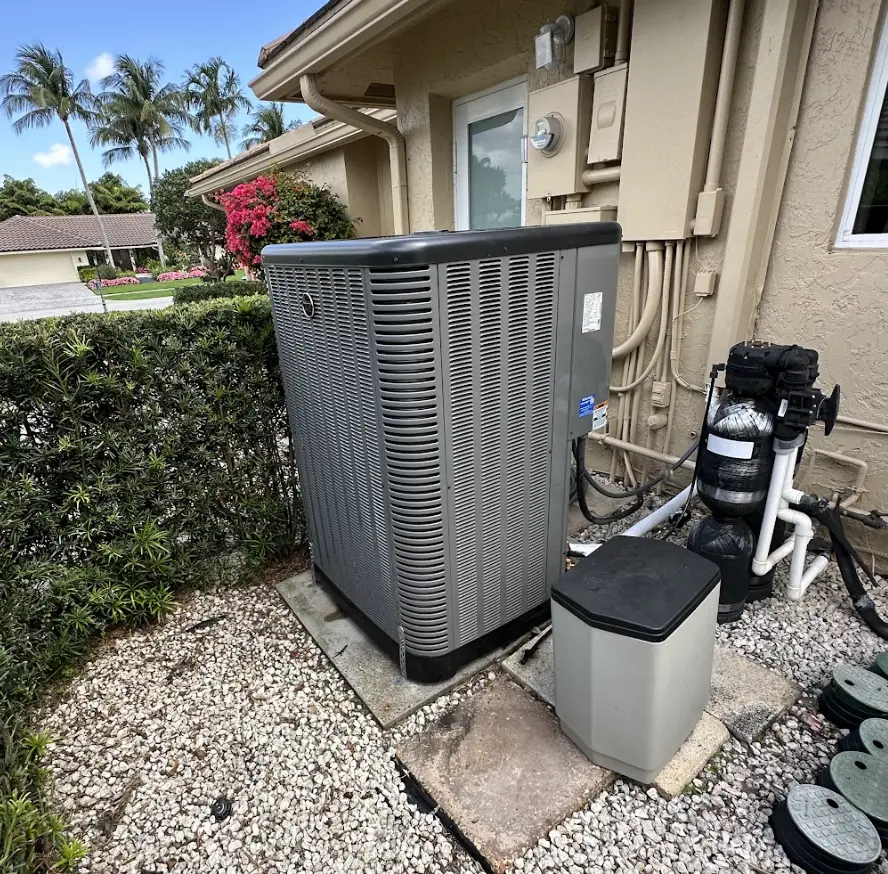
Older equipment can “run” and still miss the mark. Hot back bedrooms, clammy air after a thunderstorm, dust that keeps coming back—those are comfort and air-quality clues. Newer systems don’t just cool; they manage humidity better, filter more effectively, and pair with smart controls that avoid short-cycling. Add an air purification setup, and allergy season gets a lot easier.
6. The Type of Refrigerant Used
If your system relies on R-22, you’re working with a phased-out refrigerant that’s harder and pricier to source. Modern equipment uses R-410A, which is easier to service and more efficient. Seeing R-22 on the nameplate is a strong nudge toward planning a replacement.
7. Long-Term Value & Home Resale Considerations
In South Florida, buyers ask about HVAC age and efficiency early. A newer, efficient system reduces inspection headaches, trims future energy bills, and can lift your home’s appeal. It’s a comfort upgrade with resale perks.
8. Environmental and Energy Incentives
Depending on timing and model, you may qualify for utility rebates, federal tax credits on qualifying high-efficiency equipment, or manufacturer promotions. We track the current options and apply what fits, so your upfront cost lands where it should.
When to Opt for AC Repair
Repair is the right move when the system is under 8–10 years old, the issue is isolated and reasonably priced, you’ve kept up with maintenance, and your comfort hasn’t fallen off a cliff. Routine tune-ups help here—clear the drain, wash the coil, and check the charge and electrical, and you prevent many midnight surprises.
When to Choose AC Replacement
Replacement makes more sense when the unit is 10–12+ years old, a major component like the compressor fails, repairs are flirting with half the cost of new, bills keep climbing despite fixes, or the house cools unevenly and stays humid. A new high-efficiency system eliminates the gradual increase in repair costs and reduces monthly bills.
Comparing Repair vs. Replacement (At a Glance)
Think of it this way: repairs are lower upfront and buy you time, but they don’t change efficiency or features. Replacements cost more on day one, yet deliver stronger warranties, better humidity control, quieter operation, and real energy savings that stack up in Florida’s long cooling season. If resale is on your mind, newer equipment is a plus there, too.
Real-Life Scenario
Picture August in Boca Raton. Your twelve-year-old system quits again. Repair is about 36% of replacement—seems reasonable—until you add context: the unit’s already past ten years, your electric bill is up roughly a quarter over last year, and you’ve had two service calls since spring. That’s the moment replacement becomes the calmer, cheaper path over the next few summers—new warranty, better comfort, lower bills.
The Prime Air Advantage
This decision can feel like a coin toss. It doesn’t have to. Our Boca Raton AC repair team gives straight, pressure-free guidance. We show you what we see, price out both paths side by side, offer financing when it helps, and back it with maintenance plans so the system you choose keeps performing.
Schedule Your AC Evaluation in Boca Raton, FL
If your AC isn’t keeping up—or it’s making a new noise every night—now’s a good time to get eyes on it. Prime Air will evaluate your system, explain your options clearly, and help you choose between repair and replacement with confidence.
Call 561-855-0659 or visit https://primeairfl.com/ to book your appointment.
Prime Air—keeping Boca Raton cool, comfortable, and efficient year-round.
AC Repair vs. Replacement Questions
An AC system typically lasts 10–15 years with proper maintenance. Coastal homes and heavy-use households may see the shorter end of that range.
If the repair costs are 50% or more of a new system, or if you’re experiencing recurring major issues, it may not be worth it. That money is usually better put toward replacement.
Please review the SEER rating on the unit label. If it’s below 14, you’re behind today’s efficiency curve and likely paying more than you need to.
Yes. Newer systems handle humidity better and use improved filtration. Pairing with an air purifier can make a noticeable difference for allergies and odors.
Not recommended. Mixing old and new components can reduce performance and may void warranties. Matched systems are designed to work as a team.